













Description
What Is the DAXIN RM33 200kVA Modular Online UPS?
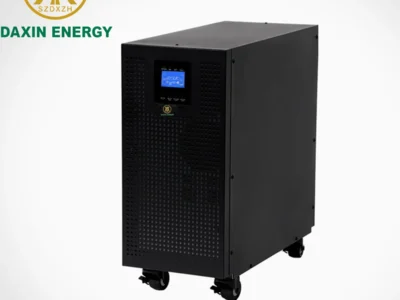
The DAXIN RM33 200kVA is a three-phase modular online UPS system designed for scalable critical-power protection in data centers, telecom facilities, industrial plants and other mission-critical applications.
Its modular cabinet architecture integrates power modules, system control, protection and service access within a scalable UPS platform. The reference configuration provides 200kW cabinet capacity and supports external battery packs for project-specific backup requirements.
The RM33 series supports 3 × 380/400/415VAC three-phase input and output, an input power factor of at least 0.99 at full load, input current THDi below 2% and system efficiency up to 96.5%.
Final installed capacity, power-module configuration, battery runtime, redundancy architecture, communications and project accessories should be confirmed against the approved DAXIN technical proposal.
| Parameter | RM33-200kVA |
|---|---|
| Model | RM33-200kVA |
| UPS Type | Modular Online UPS |
| Phase | Three-Phase Input / Three-Phase Output |
| Cabinet Capacity | 200kW |
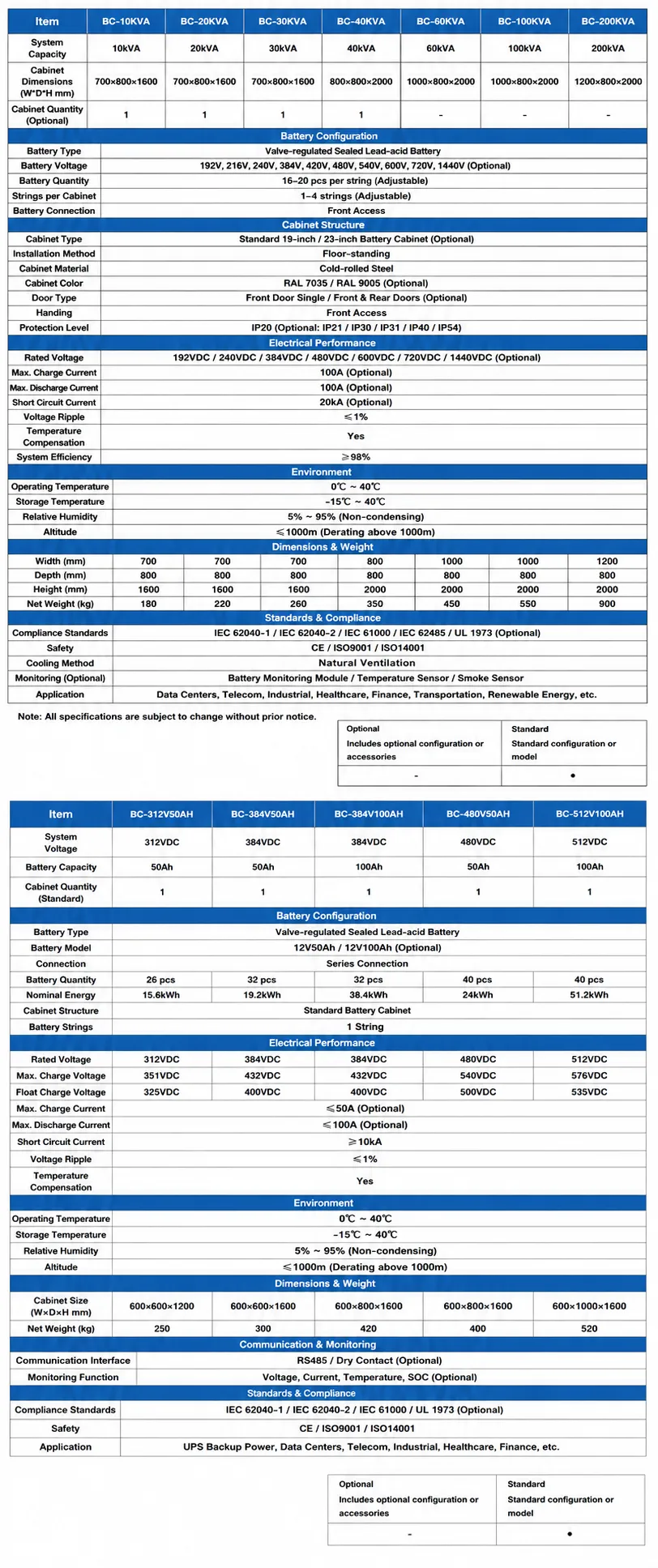
| Battery Type | External Battery Pack |
| Battery Cabinet Capacity | 20kVA / 20kW |
| Optional Battery Cabinets | 10 |
| Input Voltage | 3 × 380/400/415VAC (3PH+N) |
| Input Frequency | 50/60Hz Auto-Detect |
| Input Frequency Range | 40–70Hz |
| Input Power Factor | ≥0.99 @ 100% Load |
| Input Current THDi | <2% @ 100% Load |
| Output Voltage | 3 × 380/400/415VAC (3PH+N) |
| Static Voltage Stability | ≤±0.3% Typical Load |
| Dynamic Voltage Stability | ≤±3% Typical Load |
| Output Frequency | 50/60Hz |
| Output THD | ≤1% Linear / ≤2% Non-linear |
| Efficiency | Up to 96.5% |
| Dimensions | 1100 × 600 × 2010mm |
| Net Weight | 282kg |
| Operating Temperature | 0–40°C |
| Altitude | <1000m Rated Power |
| Protection Rating | IP20 |
| Communication | RS-232 / USB |
| Network Management | Optional SNMP |
Key Benefits
- Scalable Modular Architecture: Modular UPS design supports flexible capacity planning and future system expansion.
- 200kW Cabinet Capacity: The RM33-200kVA reference cabinet is designed for large three-phase critical-power applications.
- Three-Phase Power Protection: Supports 3 × 380/400/415VAC three-phase input and output for data center, telecom and industrial electrical systems.
- Low Input Harmonic Distortion: Input current THDi below 2% at full load helps reduce upstream electrical impact.
- High Input Power Factor: Input power factor is at least 0.99 at 100% load.
- High Efficiency: System efficiency is specified at up to 96.5%.
- External Battery Configuration: Battery systems can be engineered according to required backup runtime and project requirements.
- Remote Monitoring: RS-232/USB communication is supported, with optional SNMP network management.
What Is a Modular UPS System?
A modular UPS system uses multiple power modules within a common cabinet architecture instead of relying on a single fixed-capacity power stage.
This approach allows UPS capacity, maintenance strategy and redundancy architecture to be planned according to the critical load and future expansion requirements.
The DAXIN RM33 series combines modular power architecture with centralized control, external battery systems and network-management options for scalable critical-power applications.
Why Choose a 200kVA Modular UPS for a Data Center?
A modular UPS can help data center operators align installed power capacity with the actual critical load while preserving a path for future expansion and redundancy planning.
The DAXIN RM33-200kVA combines three-phase online power protection, modular system architecture, external battery configuration and optional network monitoring for data center and mission-critical infrastructure applications.
Final system sizing should consider the IT load in kW and kVA, power factor, redundancy target, expected expansion, required battery autonomy and upstream electrical architecture.
Typical Applications
- Data centers and server rooms
- Telecom core facilities and network infrastructure
- Industrial automation and manufacturing plants
- Financial and banking facilities
- Healthcare and medical infrastructure
- Transportation and public infrastructure
- Enterprise IT facilities
- Other scalable mission-critical power systems
Selection and Project Planning
Confirm the exact power rating, input/output phase, voltage, frequency, power factor, battery voltage, runtime, bypass, communications, dimensions, environmental limits and installation method against the selected model and project drawings before ordering.
Frequently Asked Questions
Can this product be configured for a specific project?
Yes. Electrical configuration, battery runtime, communications, bypass, cabinet arrangement and project accessories can be reviewed against the site requirements.
Are all technical ratings shared across the full series?
No. Ratings and functions vary by model and configuration. Use the project-specific technical sheet as the final reference.
Can DAXIN ENERGY support system selection?
Yes. Provide the load list, phase and voltage, required runtime, redundancy target, communication requirements and installation environment.
Request a Project Configuration
Send the load data, single-line diagram, required backup time and site conditions to receive a tailored UPS or battery proposal.
What is the DAXIN RM33-200kVA?
The DAXIN RM33-200kVA is a three-phase modular online UPS system designed for scalable critical-power applications.
What is the cabinet capacity?
The supplied RM33 series specification lists 200kW cabinet capacity for the RM33-200kVA configuration.
What input and output voltage does it support?
The reference specification lists 3 × 380/400/415VAC three-phase input and output.
What are the input power factor and THDi?
The reference specification lists an input power factor of at least 0.99 at full load and input current THDi below 2%.
Does the RM33 support remote monitoring?
Yes. RS-232/USB communication is supported, and SNMP network management is available as an option.
How should the RM33-200kVA system be configured?
Final configuration should consider the critical load, required redundancy, future expansion, battery runtime, electrical distribution, communication requirements and installation environment.
Reviews
There are no reviews yet.