

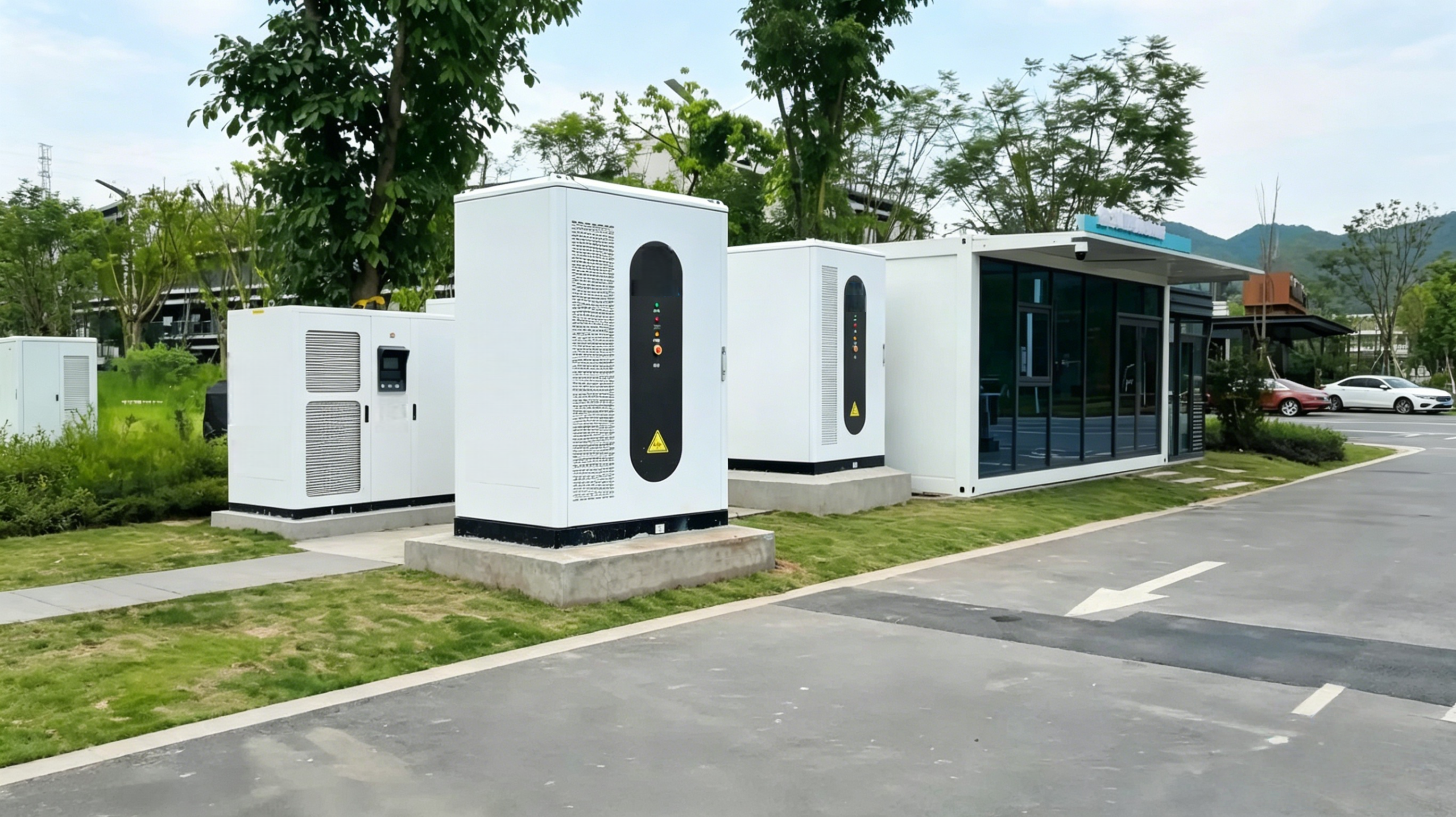
01|Project Overview
On June 6, 2026, Chongmei Super Charging Station (Mingyue Lake Station), the first integrated “PV + Energy Storage + Supercharging + Discharging + Inspection” demonstration station in Chongqing Liangjiang New Area, officially commenced operation.
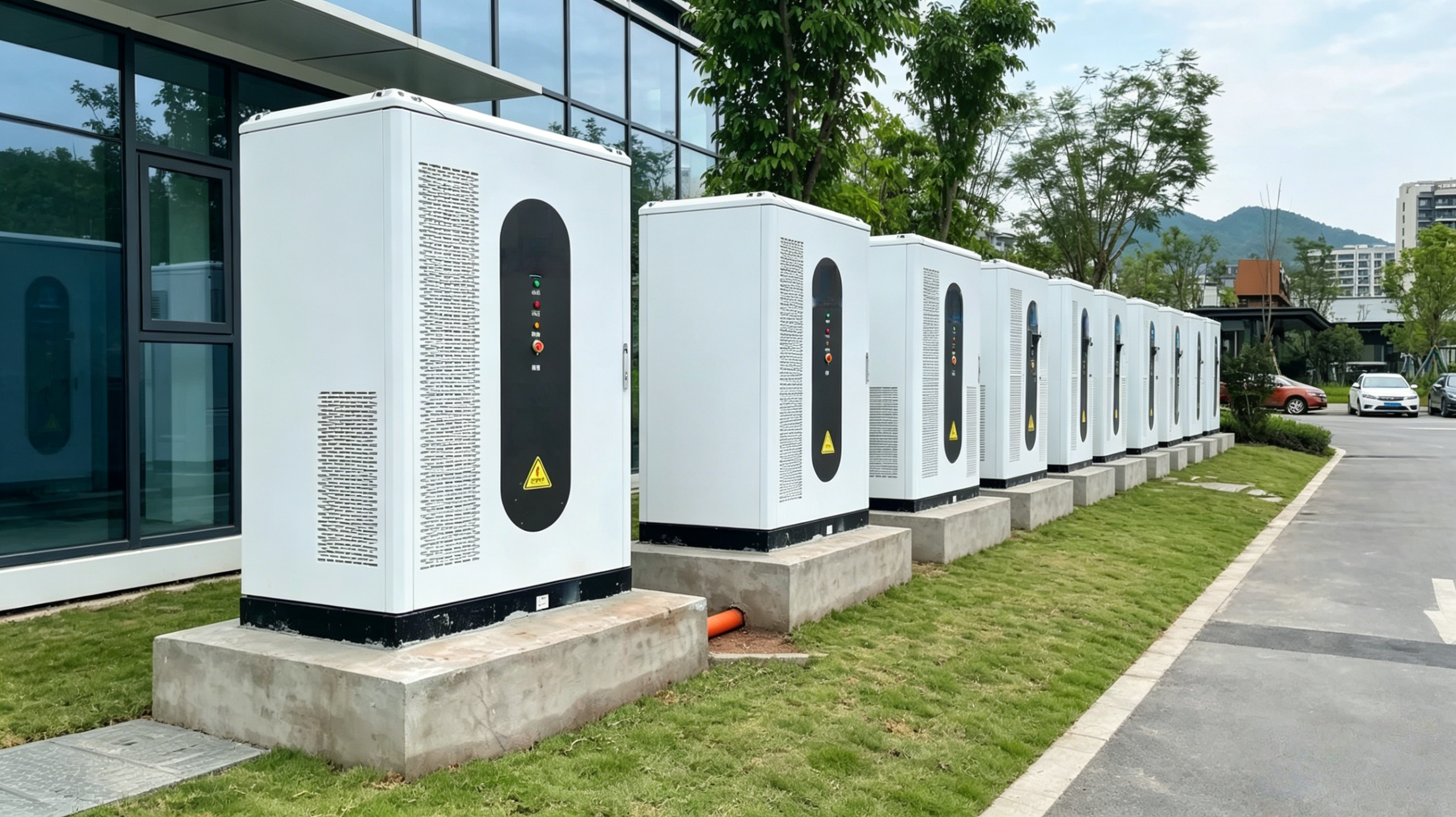
Powered by Daxin New Energy’s X-CUBE MINI liquid-cooled energy storage system, the project combines intelligent energy scheduling, EMS cloud management, photovoltaic-storage integration, and virtual capacity expansion technologies to solve major challenges faced by conventional charging stations, including grid overload, transformer capacity limitations, high electricity costs, and unstable power quality.
The project represents a benchmark application of “supercharging station + liquid-cooled energy storage + smart energy management,” highlighting the critical role of battery energy storage systems (BESS) in peak shaving, demand response, load balancing, power stabilization, and long-term charging station profitability.
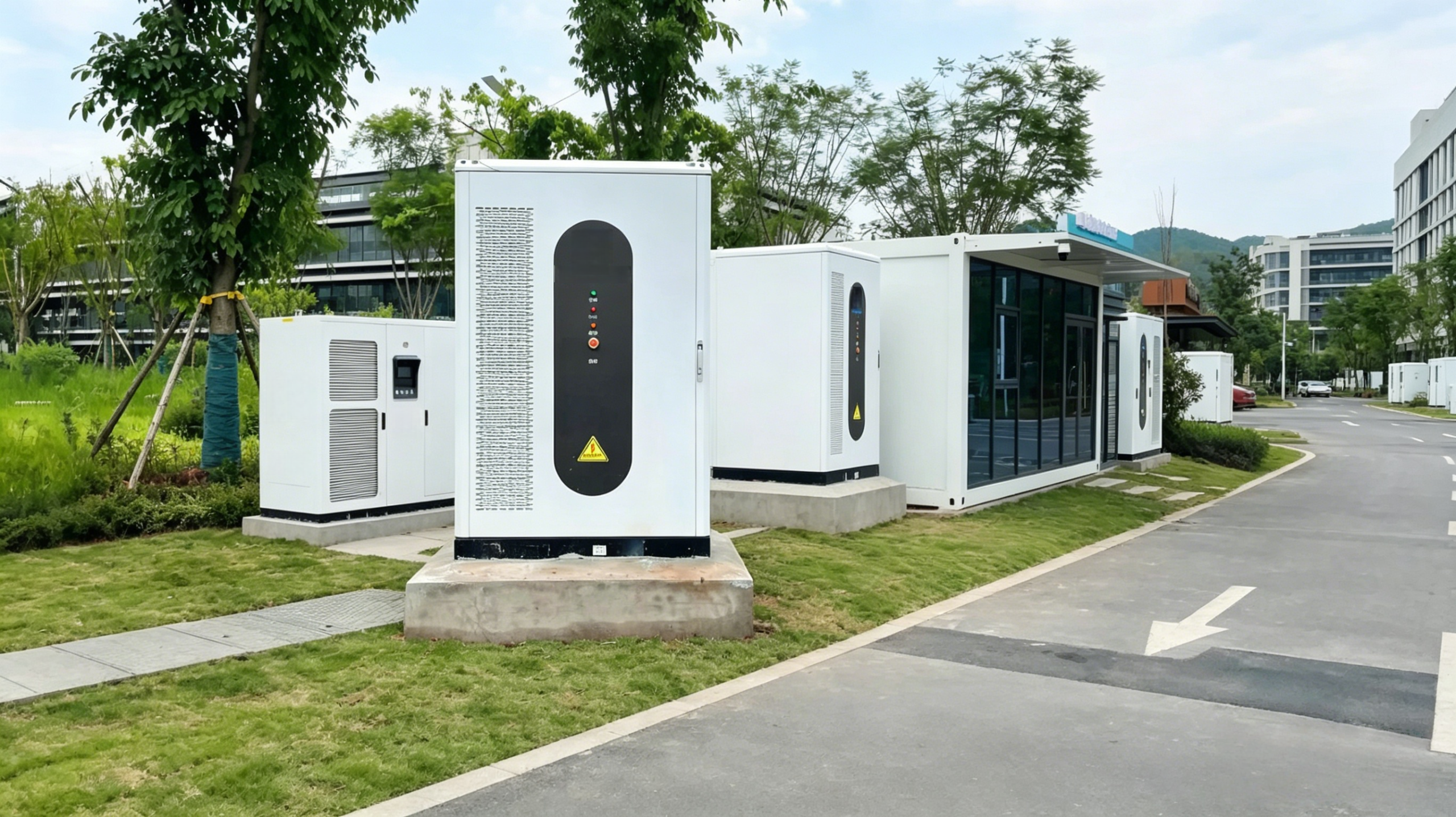
Core Product: X-CUBE MINI Liquid-Cooled Energy Storage System
The X-CUBE MINI adopts highly stable lithium iron phosphate (LFP) battery cells to establish an intrinsically safe energy storage architecture.
Its integrated four-layer protection mechanism—including prevention, isolation, fire suppression, and pressure relief—significantly reduces risks related to thermal runaway, battery abnormalities, and operational failures.
Application scenarios include:
- EV supercharging stations
- Commercial & industrial energy storage
- PV-storage-charging integrated stations
- Microgrids and virtual power plants (VPP)
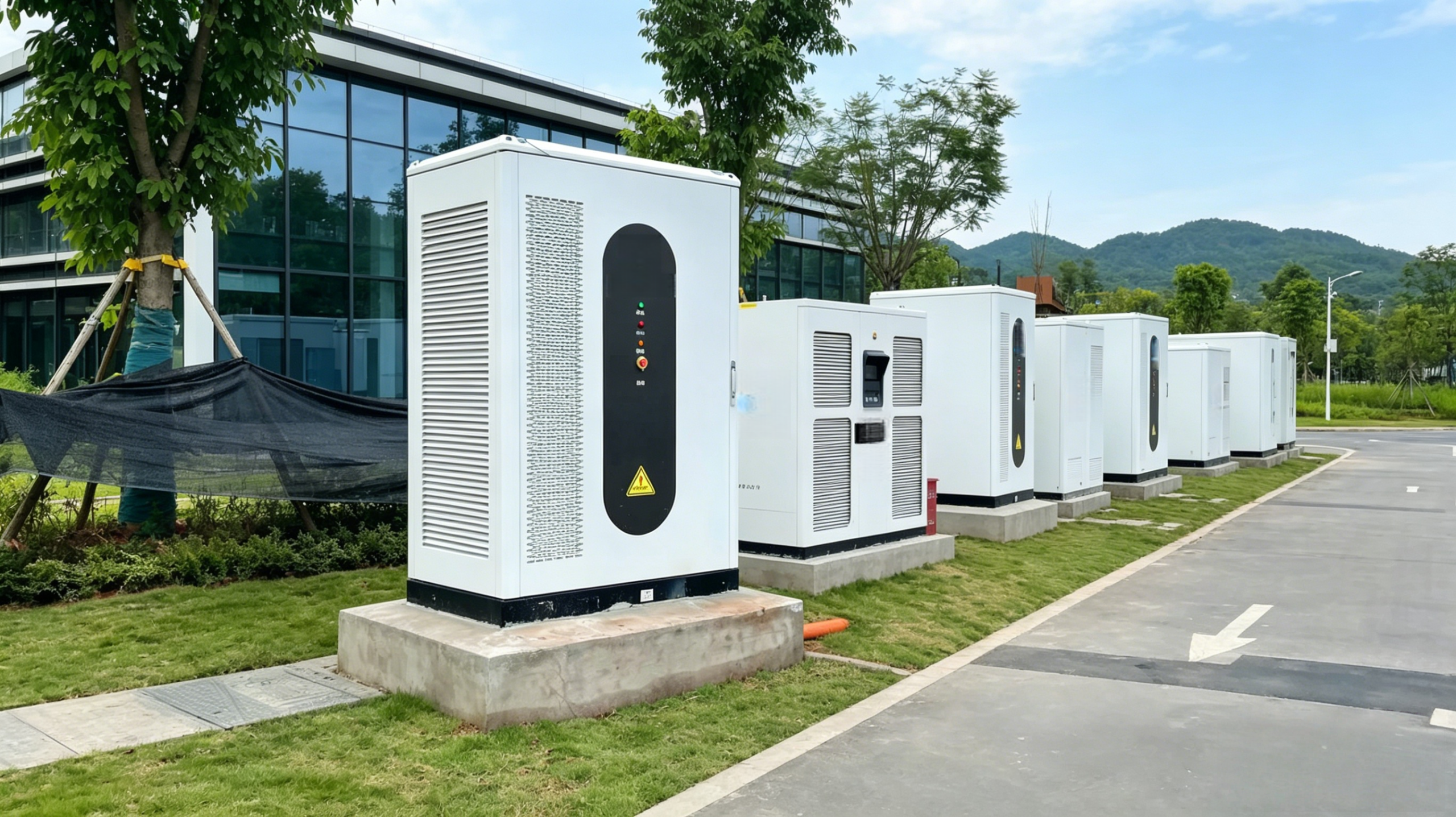
2.2 High Economic EfficiencyThe system adopts minimum-loss frequency conversion modulation technology to optimize efficiency matching between the PCS converter and battery strings, achieving a comprehensive system efficiency above 92%.
By enabling:
- Time-of-use electricity arbitrage
- Peak shaving & valley filling
- Demand charge management
- Grid demand response
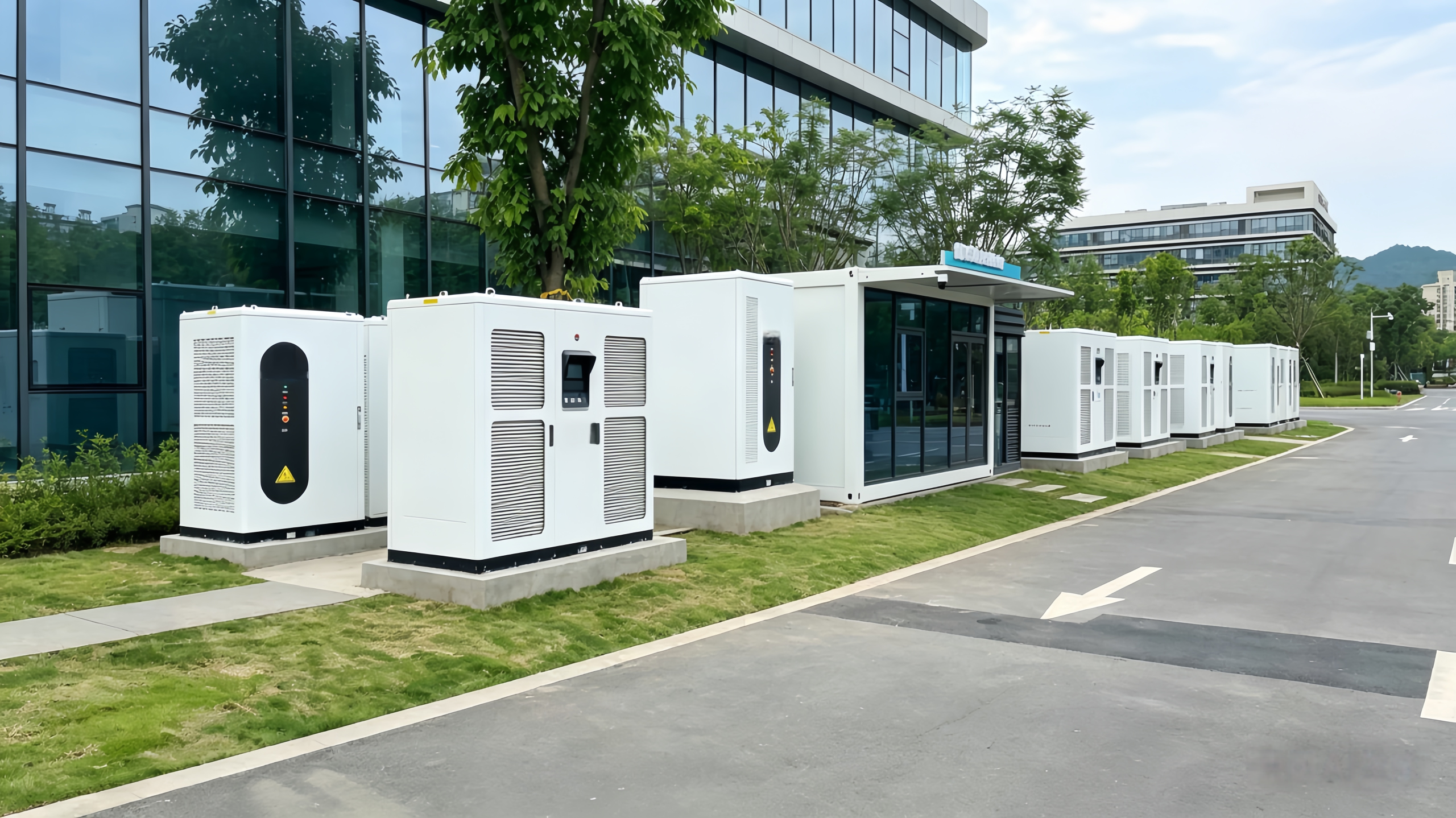
the system significantly reduces operating costs, with a typical payback period of 3–5 years.2.3 High Integration & Flexible Deployment
Designed with a modular high-energy-density architecture, the X-CUBE MINI reduces installation footprint by approximately 50% compared with traditional storage systems.
Key advantages include:
- Plug-and-play deployment
- Parallel cabinet expansion
- Fast transportation & installation
- Flexible adaptation to stations of different sizes
It is especially suitable for urban supercharging station upgrades and retrofit projects.
03 Station Configuration & Energy Operation Logic
The demonstration station is equipped with:
- One 100kW/215kWh liquid-cooled energy storage system
- Photovoltaic generation equipment
- Ultra-fast EV charging infrastructure
- EMS intelligent energy management platform
Together, they form a fully integrated smart energy ecosystem.
3.2 Energy Storage Operating StrategyThe station operates under a “double charge-double discharge” strategy:
- The first cycle is designed for peak-valley electricity arbitrage.
- The second cycle stabilizes voltage and protects the grid.
When transformer load approaches capacity limits during charging peaks, the energy storage system automatically discharges to balance demand and achieve virtual capacity expansion.
3.3 EMS Intelligent Energy SchedulingThe EMS cloud platform enables:
- Remote mobile monitoring
- Real-time equipment status visualization
- Intelligent remote operation
- Revenue data analytics
- Energy storage optimization
The system can also automatically adjust charging and discharging strategies based on weather conditions, load fluctuations, and electricity pricing.
Why Energy Storage Is Essential for EV Supercharging Stations
Leave a Reply